Introduction: Why Passive Fire Protection Matters for Your Business?
As a business owner or facilities manager, you have worked hard to earn your reputation—on-site, on-time, and always in compliance. But the physical security of your assets, whether a boutique hotel, a theater, or a construction site, depends on more than just a network of working smoke detectors. It requires “passive fireproofing protection” (PFP) strategies that prevent fires from even starting in the first place.
The global market for fire safety is in a state of evolution. With regulations becoming more stringent worldwide and a clear trend towards environmental sustainability, businesses are under greater and greater pressure to utilize advanced fireproofing technologies. This guide will explore the chemistry, application, and business benefits of investing in fire retardant coatings.
Understanding Fire Retardant (FR) Mechanisms: How It Works
To make informed purchasing decisions, it is crucial to understand the science behind the products. FR coatings are not just “magic sprays”; they are engineered chemical solutions designed to interrupt the combustion cycle, which involves heat, fuel, and oxygen
The Three Primary Mechanisms:
1. Char Formation (Condensed Phase): Many high-performance FR products, particularly those used on wood and cellulose, promote the formation of a carbonaceous “char” layer when exposed to heat. This char acts as a thermal shield, insulating the underlying material from the fire and preventing further fuel release. Products like Flamex PF and Flamex PF-1 utilize this mechanism to protect interior fabrics and woods without altering their structural integrity
2. Endothermic Cooling: Additives such as aluminum trihydrate (ATH) and magnesium hydroxide function by absorbing heat. Upon exposure to fire, they undergo endothermic decomposition, releasing water vapor that cools the material and dilutes flammable gases in the surrounding air. This is particularly effective in plastics and industrial coatings
3. Gas-Phase Inhibition: Some FR coatings release non-combustible gases (like nitrogen) that dilute the oxygen supply near the flame, effectively “starving” the fire. While halogenated compounds (containing chlorine or bromine) were historically used for this, the industry is aggressively shifting toward non-halogenated, phosphorus-based alternatives due to environmental toxicity concerns
Top Fireproofing Protection Cases for Small Businesses
Understanding where to apply these products is key to passing inspections and protecting assets. The market is segmented by substrate, with specific solutions designed for wood, fabric, and steel
1. Textiles and Upholstery (Theaters, Hotels, Schools)

For businesses with drapes, stage curtains, or upholstered furniture, compliance with NFPA 701 is often mandatory
• Product Spotlight: Flamex PF This water-based spray is designed for porous materials. It is non-toxic, odorless, and dry clear, ensuring that the aesthetic of your “faux silk” or “poly/cotton drapes” remains unchanged
• Application Tip: For fabrics, the coverage rate is typically 300–600 square feet per gallon depending on the material weight. It is critical to test a small sample first to ensure colorfastness
2. Fireproofing Protection for Wood and Structural Lumber
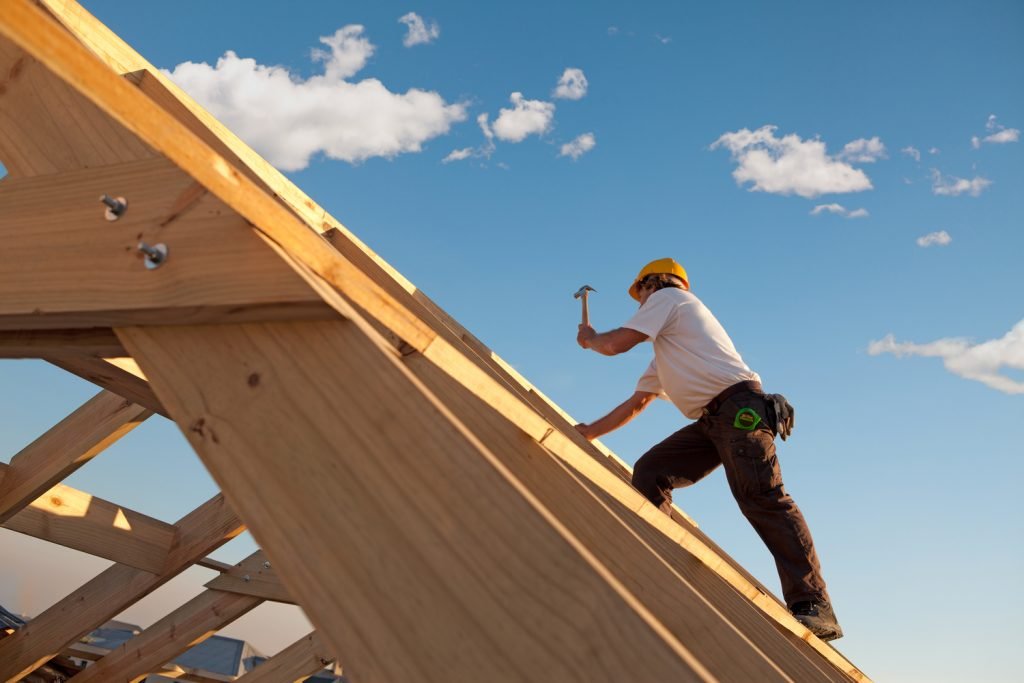
Builders and renovators often need to bring standard lumber up to “Class A” fire ratings (flame spread of 0-25)
• Intumescent Coatings: Products like Contego (High Solids) are intumescent, meaning they swell up to form a thick foam layer when heated, insulating the wood. This allows standard lumber to mimic the fire performance of non-combustible materials in specific assemblies
• Penetrants: For a natural look, penetrants like Flamex PF-2 & Flamex PF-1 soak into the wood fibers rather than sitting on top, creating a permanent bond that doesn’t peel or chip
3. Steel Structures (Industrial & Commercial)
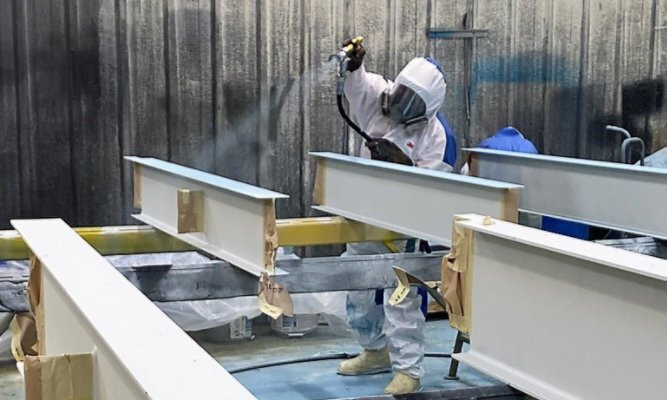
Structural steel can lose strength rapidly in a fire. Intumescent paints for steel, such as Contego High Solids, are designed to expand and insulate the metal, preventing it from reaching critical failure temperatures
• Cost Efficiency: Modern high-solids formulas require fewer coats to achieve the same fire rating, significantly reducing labor costs and project timelines
Navigating Compliance: Standards and Certifications
In the fire safety industry, a product is only as good as its paperwork. “Compliance-driven professionals,” such as school bursars or facilities managers, prioritize documentation over all else.
Key Standards to Know
• NFPA 701: The standard for flame propagation in textiles and films. Essential for curtains in public spaces
Pro Tip: When purchasing for fabric treatment, always check for a “Product Selector Guide” or consult the manufacturer to ensure the product meets the specific code (e.g., California Title 19) required by your local fire marshal
• ASTM E-84 (Steiner Tunnel Test): Measures the surface burning characteristics of building materials. To achieve a Class A rating, a material must have a Flame Spread Index (FSI) of 0–25
• ASTM E-2768: An extended 30-minute version of the E-84 test, often required for structural wood applications to ensure the fire does not re-ignite after the initial exposure
The Economic Case: ROI on FR Coatings
Investing in fire protective coatings is not just a regulatory expense; it is a strategic move for asset preservation and value
1. Increased Property Value: Safety upgrades can improve a property’s marketability. Buyers and investors view buildings with advanced fire protection—such as intumescent coatings on structural steel—as lower risk and more desirable.
2. Protection of Inventory: For retailers and warehouses, fire protective coatings add a critical layer of security to inventory and machinery. Preventing a small electrical fire from becoming a total loss can save a business from bankruptcy.
3. Cost vs. Benefit: While high-performance coatings like Contego HS have a higher upfront cost per gallon than standard paint, they eliminate the need for expensive structural modifications (like replacing wood with steel) to meet code. They effectively “harden” existing structures against fire risks
Fireproofing Protection: The Shift to Non-Halogenated Solutions
The global FR market is projected to reach USD 19.38 billion by 2034, driven by a massive shift toward eco-friendly solutions.
• The “Green” Transition: Historically, halogenated FR coatings (containing bromine or chlorine) were the standard. However, due to health risks such as bioaccumulation and toxicity, the market is pivoting to non-halogenated alternatives. Non-halogenated products now account for nearly 60% of the market share.
• Bio-Based Innovation: New research is focusing on bio-based additives like tannic acid, phytic acid, and lignin. These renewable materials offer excellent char-forming capabilities and low toxicity, aligning with “Green Guard Gold” standards and other eco-labels.
• Regional Growth: The Asia-Pacific region currently dominates the market (approx. 44-57% share) due to massive infrastructure investments, but North America remains a key market for high-performance, regulation-driven solutions.
——————————————————————————–
How to Choose the Right Product (Buyer’s Guide)
Selecting the wrong product can lead to failed inspections or, worse, safety failures. Use this checklist based on “User Intent” insights:
1. Identify Your Substrate
• Fabric: Is it natural (cotton/wool) or synthetic (polyester/nylon)? Synthetic fibers are hydrophobic and harder to treat, often requiring specialized formulas like Flamex PF.
• Wood: Is it raw lumber, plywood, or finished furniture? Penetrants work best on raw wood, while intumescent paints are needed for finished or painted surfaces.
2. Determine the Environment
• Interior: Most standard sprays are for interior use only. They are water-soluble and will wash away if exposed to rain.
• Exterior: For decks, siding, or “Wildland-Urban Interface” (WUI) zones, you need specialized exterior-grade products like Flamex PF-2 or Dek Gard that can withstand weathering.
3. Verify the Certification
Do not rely on generic claims. Look for specific test reports (e.g., “Tested to ASTM E-84”) linked directly on the product page. Reputable suppliers like National Fireproofing Suppl Co., and Contego International provide these documents clearly
Frequently Asked Questions (FAQs)
Q: Are FR Coatings Toxic?
A: Modern water-based retardants, such as Flamex PF and Flamex PF-1, and Flamex PF-2 are formulated to be non-toxic, non-carcinogenic, and no toxic smoke producing Melamine gases. They are safe for use in schools and homes. However, older halogenated types are being phased out due to toxicity concerns.
Q: Can I wash fabrics after treating them?
A: Generally, no. Most topical spray-on retardants are water-soluble. Washing the fabric will remove the treatment, requiring re-application. However, some products can withstand a limited number of dry cleanings (e.g., 1-2 cycles for Flamex PF). Always check the manufacturer’s maintenance guide.
Q: Do FR Retardant Coatings Expire?
A: Yes. While the shelf life of a liquid product in a sealed container can be up to 1 year or more (e.g., Flamex PF), the treated material may need re-testing or re-application annually, especially in high-traffic commercial areas.
Q: Will a FR spray change the color of my drapes?
A: High-quality products like Flamex PF are designed to be colorless and leave no residue or “salt rings”. However, it is mandatory to perform a small patch test on inconspicuous areas to ensure material compatibility before full application
Conclusion: Future-Proof Your Business Today
The fire safety landscape is evolving from reactive compliance to proactive, technology-driven protection. With the rise of “wildland-urban interface” fires and stricter building codes, the demand for effective, non-toxic retardants is higher than ever.
By choosing the right certified products—whether for your drapes, your structural steel, or your new construction project—you are not just ticking a box for the fire marshal. You are investing in the resilience and longevity of your business.
Ready to secure your assets? Don’t guess when it comes to safety. Contact National Fireproofing Supply Co. today at (219) 926-1477
Author, B. Bozer (2026, February 26). Fireproofing Protection Guide for Small Businesses: The Complete Guide to Compliance & Safety. National Fireproofing Supply Co. https://natfire.com/blog/fireproofing-protection-guide-for-small-businesses-the-complete-guide-to-compliance-safety/