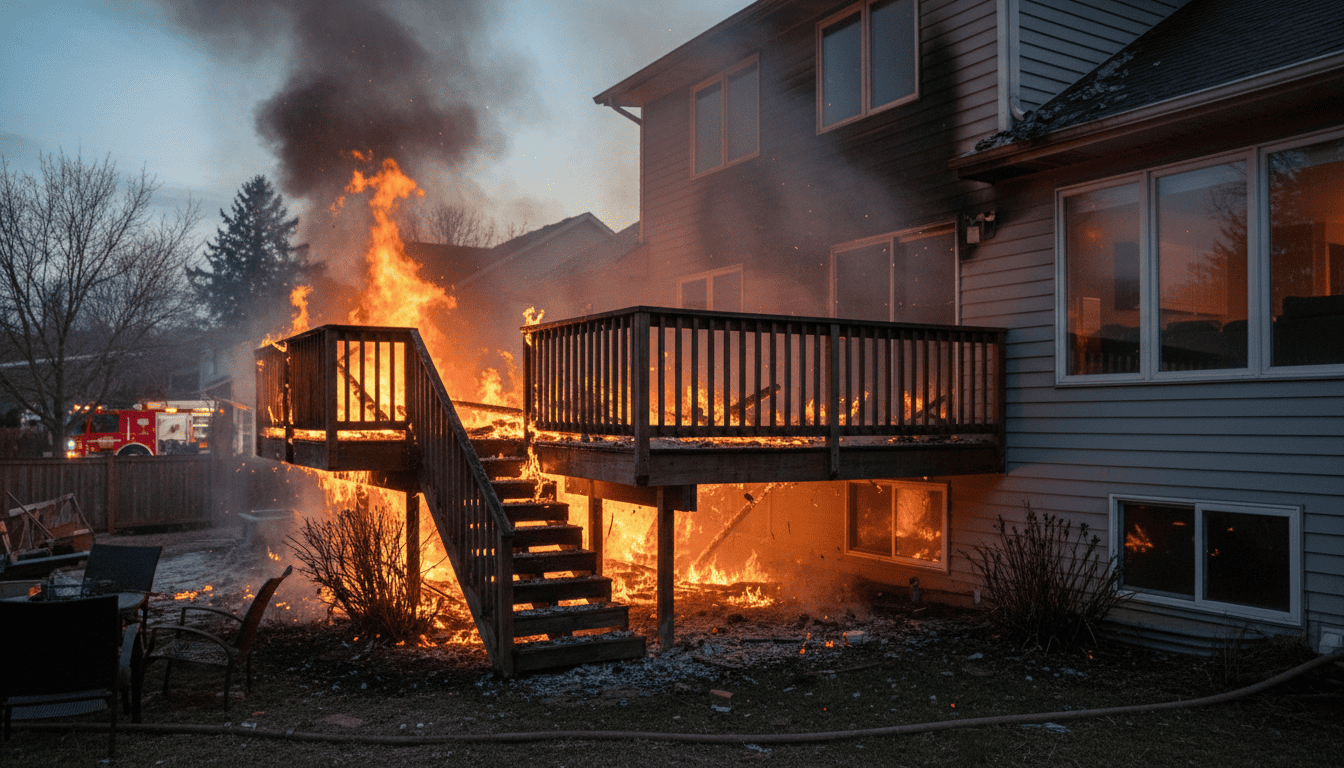
In modern construction and facility management, understanding and implementing effective fire protection strategies is paramount. Fire retardants are specialized coatings designed to significantly reduce the flammability of various materials, playing a critical role in preventing rapid fire spread and enhancing occupant safety.

These sprays contribute to comprehensive fire protection by delaying ignition, slowing flame propagation, and minimizing smoke development. This guide, presented by National Fireproofing Supply Co., clarifies the distinctions between fire retardant and fireproof treatments, outlines the regulatory landscape, and details proper application and compliance for UL-certified solutions.

Types of Fire Retardants and Their Chemical Compositions

Fire retardants are categorized primarily by their chemical composition and how they interact with fire, including water-based and solvent-based formulations, and intumescent versus non-intumescent mechanisms.

  • Water-based formulations are typically favored for indoor applications due to lower VOCs and easier cleanup, often incorporating ammonium phosphates or borates.
  • Solvent-based formulations may offer faster drying times and better adhesion in certain industrial or exterior conditions, though they generally have higher VOCs.

Intumescent Coatings that Expand When Exposed to Heat

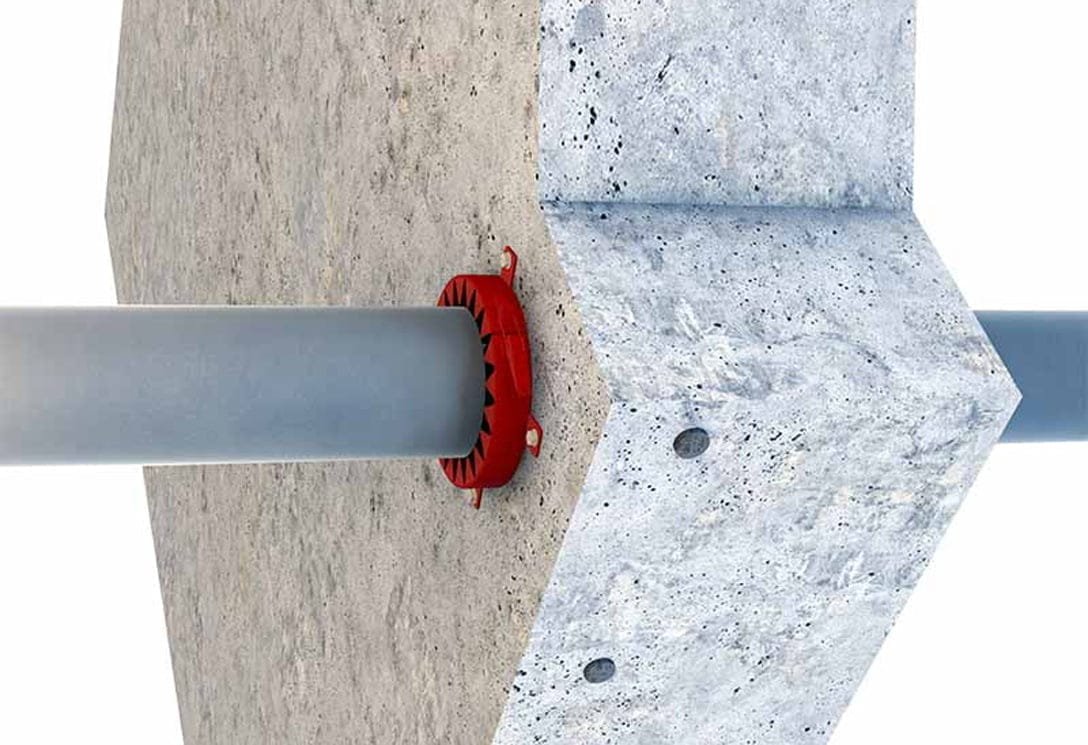
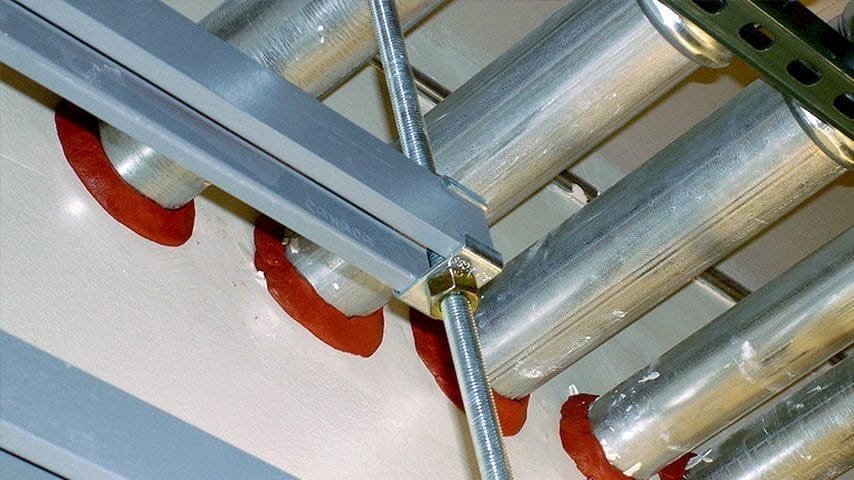
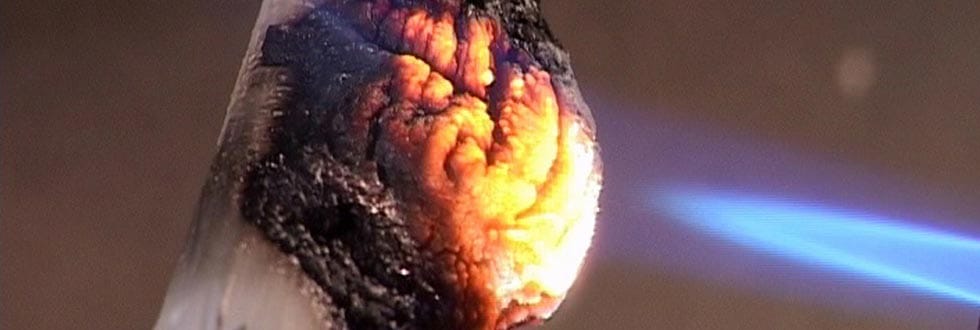
Intumescent coatings are a type of fire retardant that expands significantly when exposed to high temperatures, forming a thick, insulating char layer that protects the underlying substrate. When activated by fire, these coatings can achieve expansion ratios of 20 to 100 times their original thickness, reducing smoke by over 50% by limiting flame spread. This mechanism is crucial for protecting structural steel and other critical components, contributing to the overall fire resistance rating of an assembly, as highlighted by FutureMarkets Inc..

Non-Intumescent Treatments and How They Work at the Molecular Level

Non-intumescent treatments work by releasing noncombustible gases, forming a protective barrier, or chemically altering the combustion process at the molecular level. These formulations often utilize phosphorus, nitrogen, or mineral-based chemistries. For example, ammonium phosphates promote char formation, while inorganic hydroxides like aluminum or magnesium hydroxide release water and inert gases to cool the substrate, according to Polymer Solutions.

Class A Fire Retardants for Combustible Materials vs. Specialized Formulations

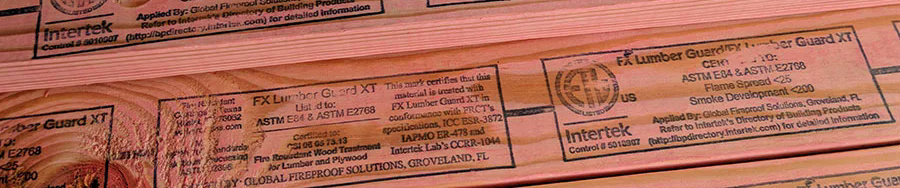
Class A fire retardants are designed to achieve a flame spread index (FSI) of 0–25 and a smoke developed index (SDI) of ≤450 per ASTM E84 testing, making them suitable for ordinary combustible materials like wood and textiles in many building applications, as noted by ICC-ES. Specialized formulations exist for materials such as plastics, which may require UL 94 certification for flammability, as discussed by Protolabs. The Wood Protection Association emphasizes that flame retardants reduce surface spread of flame, heat, and smoke release, providing vital escape time, according to their guidance.

This table compares the four main categories of fire retardants across critical selection criteria, helping contractors and facility managers choose the right product for their specific substrate and environmental conditions.

Fire Retardant Type Best Substrates Application Method Durability Typical Cost Range
Water-Based Intumescent Structural Steel, Wood, Gypsum, Spray Foam Spray, Brush, Roll Long-term indoors (multi-year to multi-decade), less durable outdoors $2–$4 per sq ft installed for steel
Solvent-Based Intumescent Structural Steel, Industrial Equipment, Exterior applications Spray, Brush, Roll Highly durable, good for harsh environments $3–$6 per sq ft installed
Water-Based Non-Intumescent Fabrics, Textiles, Decorative Wood, Paper Spray, Dip, Brush 1-5 years indoors, shorter outdoors; often needs reapplication $0.10–$0.50 per sq ft (material only)
Solvent-Based Non-Intumescent Some Plastics, Composites, Specialized Industrial Finishes Spray, Dip Variable, depends on specific chemistry and environment $0.20–$1.00 per sq ft (material only)
Specialty Formulations Mass Timber, Composite Panels, EV Components Spray, Pressure Treatment Engineered for specific high-performance, long-term needs Higher, custom pricing

Common Applications and Substrate Compatibility

Fire retardants are applied across diverse materials, but their effectiveness hinges on proper substrate compatibility and application techniques.

Wood and Lumber Applications in Construction and Renovation Projects

For wood and lumber, fire retardants are crucial in construction and renovation. Products like Flamex PF-2 are designed for long-term treatment, often applied in multiple coats to ensure deep penetration, resulting in a final coverage rate of 110–130 sq ft per gallon. These treatments are essential for structural elements, interior finishes, and even exterior wood, where a fireproofing spray for exterior wood can significantly enhance safety and compliance.

Fabric and Textile Treatments for Curtains, Upholstery, and Decorative Materials

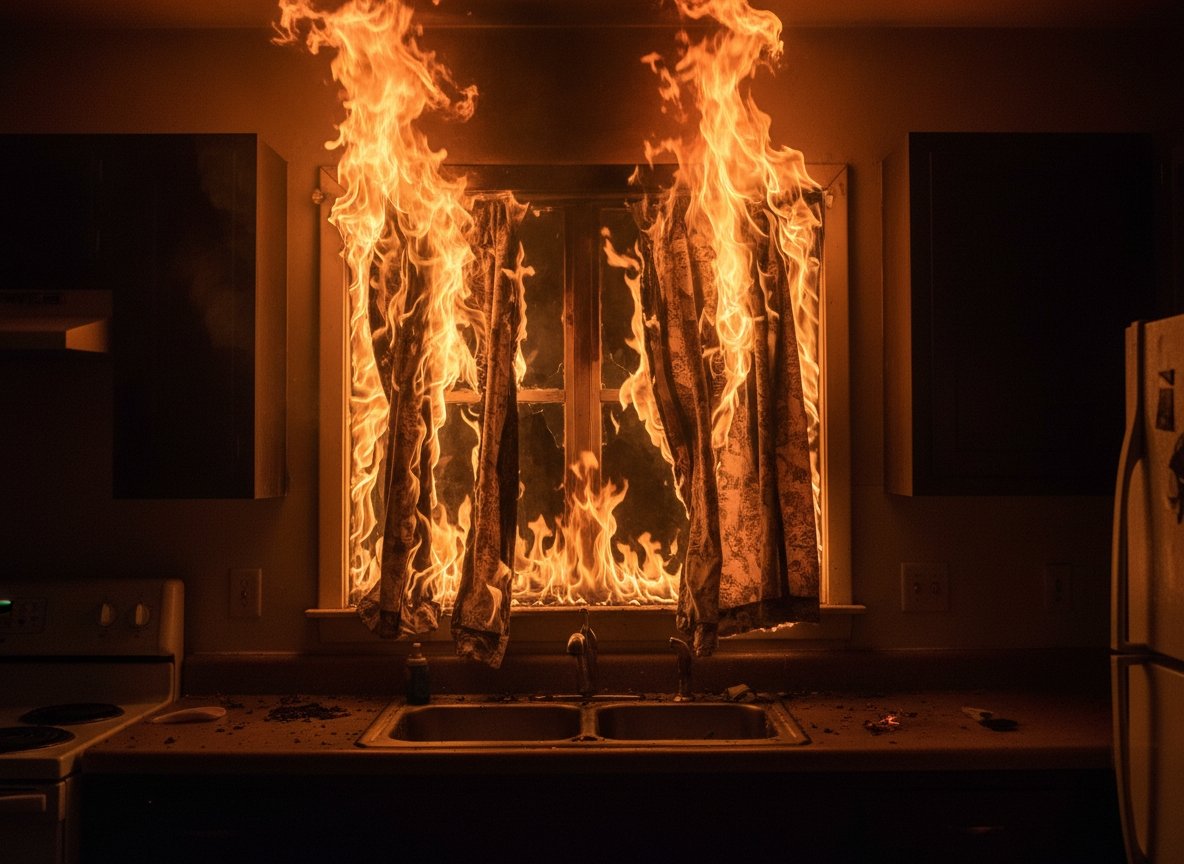
Fabrics and textiles in public and commercial spaces, such as curtains, upholstery, and decorative materials, frequently require fire retardant treatment. Products like Flamex PF achieve coverage rates of 300–500 sq ft per gallon, depending on material type and weight. These treatments prevent rapid flame spread, crucial for life safety in assembly areas.

Paper and Cardboard Applications in Commercial Settings

Paper and cardboard, especially in commercial settings like offices or storage facilities, benefit from fire retardant applications to prevent rapid ignition and spread. These treatments reduce the flammability of highly combustible materials, often using clear, non-toxic formulations.

SPF Foam, Plastic, and Composite Material Considerations

SPF foam, plastic, and composite materials, prevalent in modern construction, require specialized fire retardant solutions. Contego’s Original intumescent paint is designed for polyurathane spray foam insulation, with a coverage rate of 58 sq ft per gallon per coat. These materials often need specific formulations to achieve UL 1715 or UL 94 ratings, ensuring they meet flammability standards without compromising structural integrity.

Critical Importance of Substrate Testing Before Full Application

Before full application, substrate testing is critically important to ensure proper adhesion, effectiveness, and compatibility. Testing a small, inconspicuous area confirms that the fire retardant performs as expected and does not cause adverse effects like discoloration or degradation. This step is a best practice to avoid costly rework and ensure the longevity of the fire protection treatment.

UL Certification and Safety Standards Compliance

UL certification and adherence to safety standards are non-negotiable for fire retardants, ensuring products meet rigorous performance and safety criteria.

Understanding UL Testing Protocols and What Certification Means

UL (Underwriters Laboratories) certification signifies that a product has been tested to stringent safety standards and meets specific performance criteria. For fire retardants, this often involves a three-stage process: construction review, detailed testing, and operational evaluation, followed by ongoing factory audits to ensure continued compliance, according to Power Rubber. Certification provides confidence to code authorities, architects, and contractors, as highlighted by UL Solutions.

ASTM E84 (Steiner Tunnel Test) Flame Spread and Smoke Development Ratings

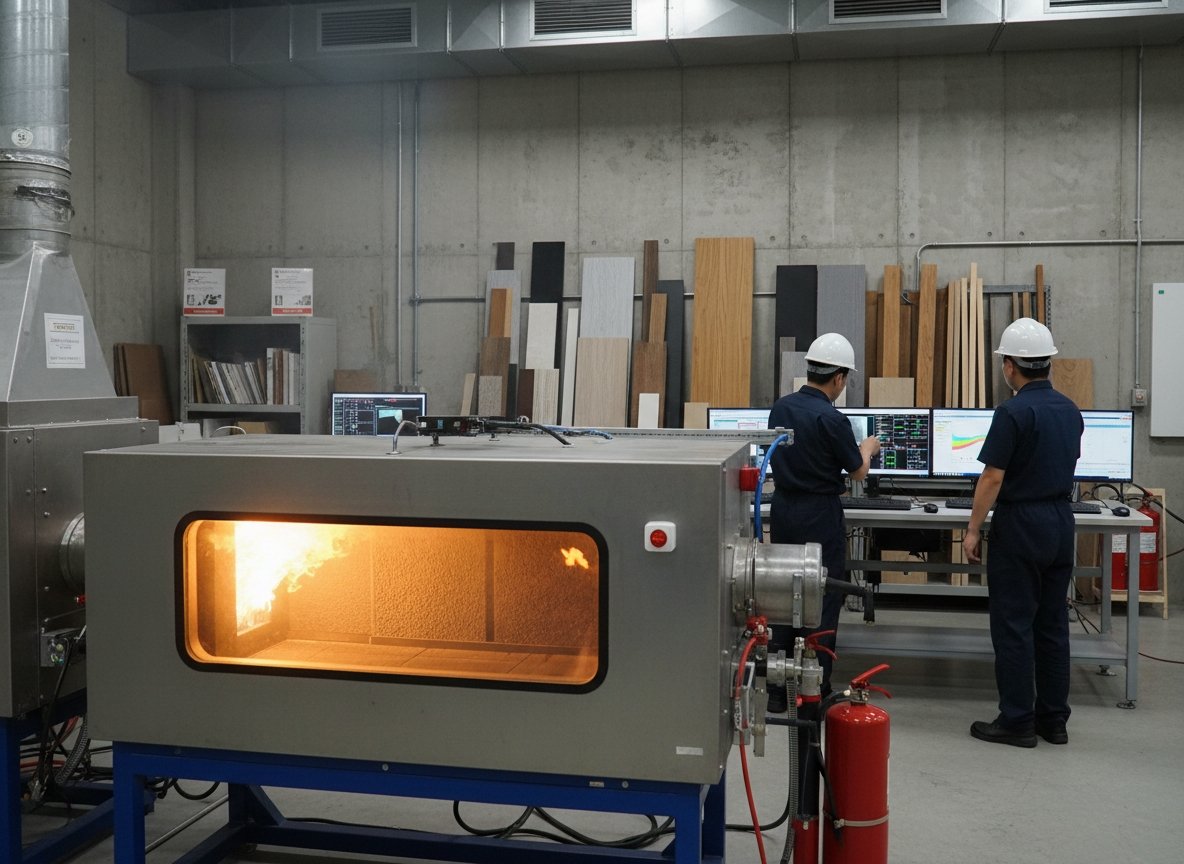
The ASTM E84, or Steiner Tunnel Test, is the primary North American method for evaluating the surface burning characteristics of building materials, measuring flame spread index (FSI) and smoke developed index (SDI). Class A materials, often achieved with fire retardants, have an FSI of 0–25 and an SDI of ≤450, as specified by ICC-ES. This classification is crucial for interior finishes and is widely referenced in building codes, according to ANSI.

Building Code Requirements by Occupancy Type and Jurisdiction

Building code requirements for fire retardant treatments vary significantly by occupancy type (e.g., assembly, residential, hazardous) and local jurisdiction. For instance, Group H (High-Hazard) occupancies have the most restrictive fire protection requirements, often necessitating noncombustible or fire-retardant-treated materials, according to NFSA. Correct occupancy classification is foundational for all fire protection decisions, as emphasized by NFPA.

Documentation and Labeling Requirements for Inspections

Proper documentation and labeling are essential for building inspections. This includes third-party certifications, assembly-level fire testing data, and product-specific approvals. Jurisdictions like New York City require C-15 Certificate of Fitness holders to supervise chemical applications, ensuring compliance and proper certification for inspections, as mandated by NYC Business.

Why Third-Party Certification Matters for Liability Protection

Third-party certification, such as UL or FM approval, is critical for liability protection. These certifications validate that a product has undergone rigorous testing and performs according to specific ratings required by local building codes and safety regulations. Using certified products mitigates risks for contractors and facility managers by ensuring compliance and proven performance.

Proper Application Techniques and Coverage Requirements

Achieving the stated fire protection performance of any fire retardant relies heavily on precise application techniques and adherence to coverage requirements.

Surface Preparation Steps to Ensure Adhesion and Effectiveness

Effective surface preparation is crucial for optimal adhesion and effectiveness of fire retardants. Surfaces must be clean, dry, and free from dirt, loose scale, grease, oil, and any contaminants that could inhibit bonding. For steel, proper surface preparation often involves abrasive blasting to achieve a specific profile, ensuring maximum adherence for coatings like intumescents.

Application Methods: Spray Equipment, Brushing, Dipping, and Pressure Treatment

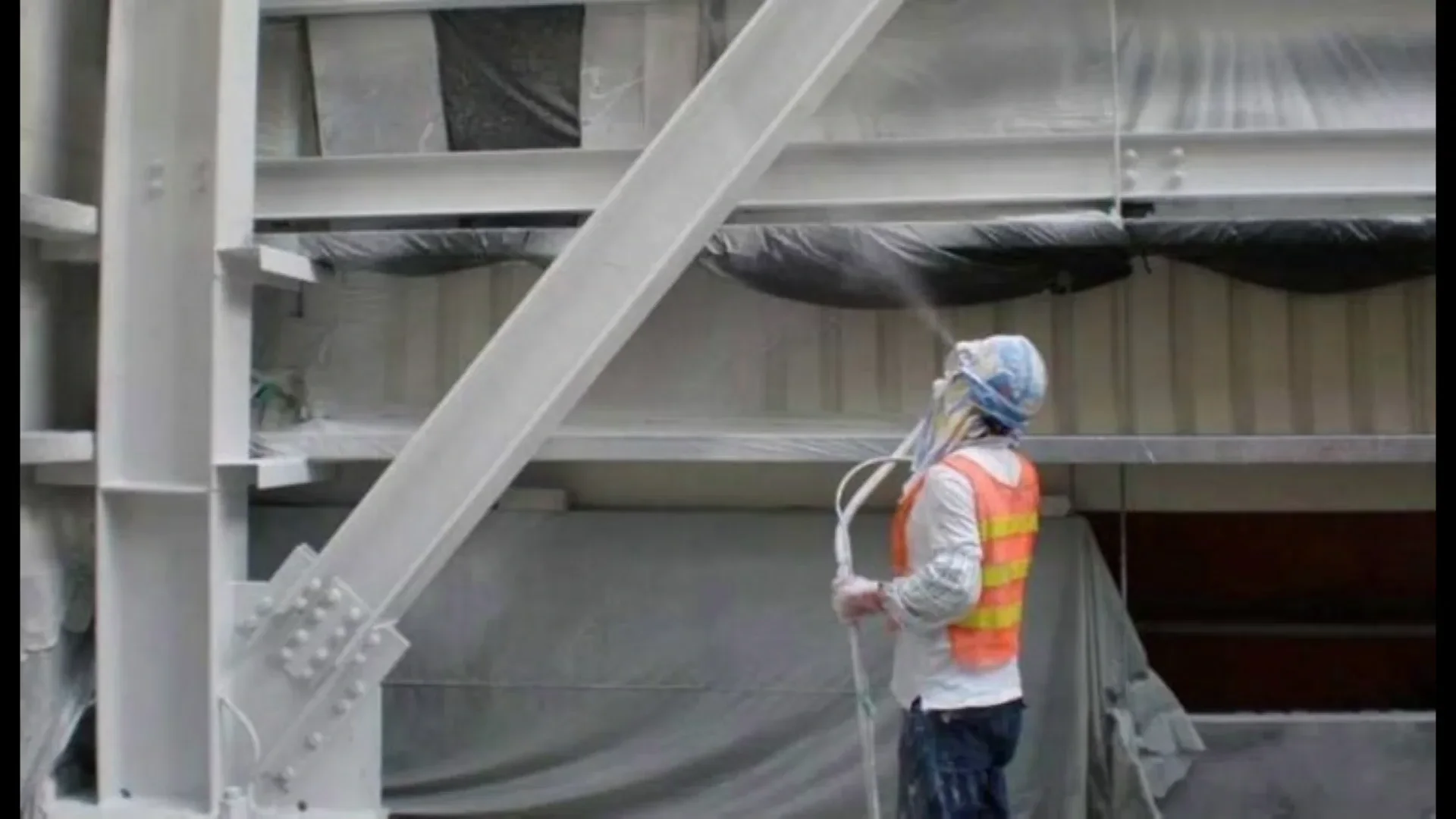
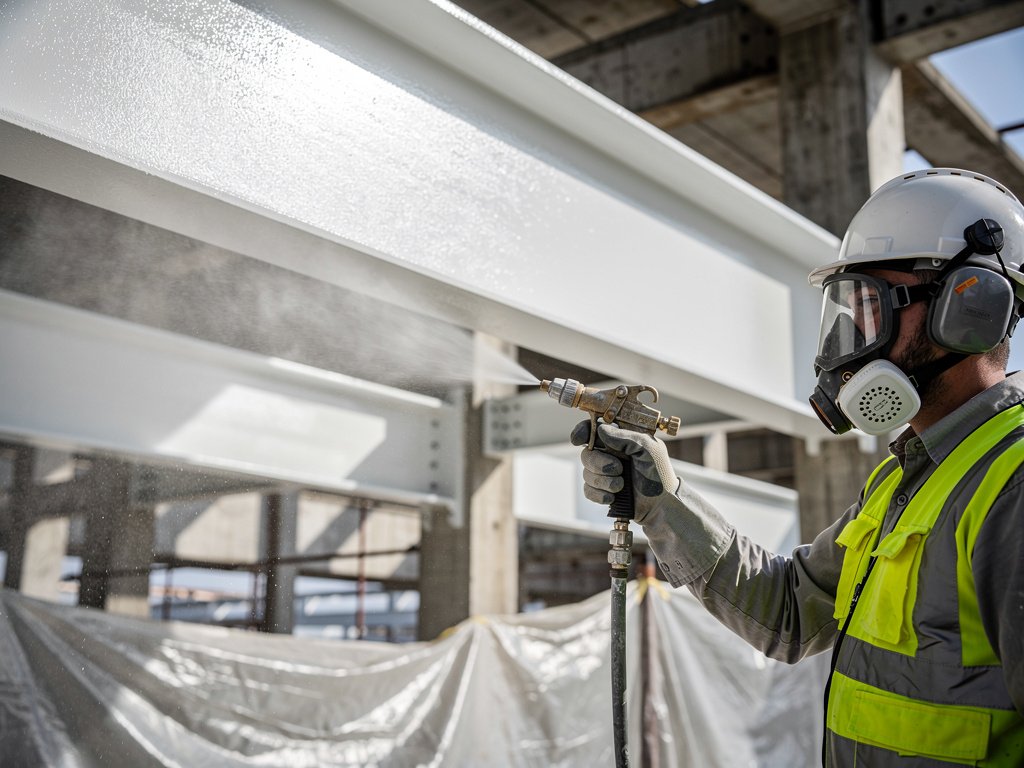
Fire retardants can be applied using various methods, each suited to different materials and project scales. Spray equipment is common for large areas and uniform coverage, while brushing or rolling is used for smaller, detailed sections. Dipping and pressure treatment are often employed for textiles or wood products requiring deep penetration and thorough saturation. Flamex PF-1, for interior wood, is typically applied at 125 sq ft per gallon by spray, as detailed by National Fireproofing Supply Co..

Coverage Rates and Film Thickness Requirements for Different Substrates

Coverage rates and film thickness requirements vary significantly by product and substrate. For fabrics, rates can range from 300–500 sq ft per gallon, depending on material type and weight. For interior wood, one-coat systems may cover 150–225 sq ft per gallon, while multi-coat systems for deep penetration can result in a total coverage of 110–130 sq ft per gallon. It is critical to follow manufacturer specifications for wet and dry film thickness to achieve the intended fire rating, as emphasized by UL Prospector.

Drying Times, Curing Processes, and Environmental Conditions

Drying and curing times are influenced by environmental conditions including temperature, humidity, and ventilation. Many fire retardant paints require 8–12 hours between coats, with 24 hours recommended for full drying. Maintaining ambient temperatures between 50°F and 85°F (10°C to 29°C) and relative humidity between 40-60% is often critical for proper curing, according to ArchToolbox.

Common Application Mistakes That Compromise Fire Resistance

Common application mistakes that compromise fire resistance include insufficient or uneven coverage, improper surface preparation, and applying the product outside specified environmental conditions. These errors can lead to adhesion failures, reduced fire-resistance ratings, and overall system failure, as highlighted in market analyses. High application costs and the need for skilled labor can tempt installers to cut corners, which risks the integrity of the fire protection system, according to Intel Market Research.

Maintenance, Reapplication, and Longevity Considerations

Maintaining the effectiveness of fire retardant treatments requires understanding their expected lifespan, reapplication schedules, and proper inspection protocols.

Expected Lifespan of Fire Retardant Treatments on Various Materials

The lifespan of fire retardant treatments varies significantly by product type, surface material, and environmental exposure. Fire retardants typically lasts between 1 to 5 years, with indoor applications generally lasting longer than those exposed to sunlight, moisture, or frequent handling. Some durable fireproof coatings, like Contego High Solids, have demonstrated uncompromised fire resistance after 20 years under normal indoor service conditions.

When Reapplication Is Required: Wear Patterns, Weathering, and Cleaning Impacts

Reapplication is necessary when treatments show signs of wear, weathering, or degradation from cleaning. For fabrics, certification is often valid for one year, necessitating retesting or retreatment. Wood exposed to humid or outdoor conditions may need reapplication every few years, while protected indoor coatings can last significantly longer. Any deep cleaning or washing of treated fabrics can reduce fire retardancy, requiring reapplication to maintain performance.

Inspection Protocols to Verify Treatment Effectiveness Over Time

Regular inspection protocols are essential to verify the ongoing effectiveness of fire retardant treatments. Visual inspections should check for peeling, chalking, staining, water damage, or heavy soiling, all of which can compromise fire performance. For regulated occupancies, maintaining documentation of the product used, application date, and any reapplication events is crucial for compliance, as emphasized by the California OSFM for treated fabrics.

How to Document Maintenance for Compliance Records

Thorough documentation of maintenance activities is vital for compliance records. This includes recording the specific fire retardant product used, its safety data sheet, fire test reports, application dates, and the names of certified applicators. Any reapplication or touch-up should also be logged, noting the areas treated and the product applied. This detailed record-keeping ensures that properties remain compliant with fire safety regulations and provides a clear audit trail for inspectors.

Safety Precautions and Environmental Considerations

Implementing fire retardants requires strict adherence to safety precautions and careful consideration of environmental impacts.

Personal Protective Equipment Requirements During Application

During application, personal protective equipment (PPE) is mandatory to protect workers from chemical exposure. Employers must conduct hazard assessments and provide appropriate flame-resistant (FR) clothing and equipment where fire or thermal hazards are present, as required by OSHA under 29 CFR 1910.132(d)(1). This includes gloves, eye protection, respirators, and FR clothing designed to self-extinguish when exposed to flames, as noted by Prudential Uniforms.

Ventilation Needs and VOC Considerations for Indoor Applications

Proper ventilation is crucial, especially for indoor applications, to manage Volatile Organic Compounds (VOCs) and ensure worker safety. Water-based fire retardant coatings generally have lower VOC emissions and are favored for indoor use, according to Verified Market Reports. Regulatory limits for VOCs in fireproofing coatings are tightening, with targets commonly around 150 g/L in leading U.S. air districts, such as those set by South Coast AQMD.

Proper Storage and Handling of Fire Retardant Chemicals

Safe storage and handling of fire retardant chemicals are essential to prevent accidents and ensure product integrity. Chemicals should be stored in cool, dry, well-ventilated areas, away from incompatible materials and direct sunlight. Following manufacturer guidelines for container integrity and spill prevention is paramount.

Disposal Requirements and Environmental Impact of Different Formulations

Disposal requirements vary based on chemical composition and local regulations. The environmental impact of fire retardants is a growing concern, with a push away from halogenated compounds due to persistence and bioaccumulation issues, as discussed by C&EN. New formulations prioritize non-halogenated, phosphorus-based, or bio-based systems with lower toxicity and environmental impact, according to BCC Research.

Health and Safety Data Sheet (SDS) Essentials

The Health and Safety Data Sheet (SDS) for each product provides critical information on chemical properties, hazards, safe handling, storage, and emergency procedures. Employers must ensure all workers have access to and understand the SDS for any fire retardant chemical they use. This document is the primary resource for mitigating risks associated with specific formulations.

Key Takeaways

  • Fire retardants are vital for comprehensive fire protection, slowing flame spread and reducing smoke development.
  • Product selection must align with substrate type, environmental conditions, and specific building code requirements.
  • UL certification and adherence to standards like ASTM E84 are crucial for performance validation and liability protection.
  • Proper application techniques, including surface preparation and film thickness, directly impact the effectiveness of fire retardant treatments.
  • Regular maintenance, reapplication schedules, and thorough documentation are essential for long-term compliance and safety.
  • Safety precautions, including PPE and ventilation, along with environmental considerations like VOCs, are critical during application.

Conclusion: Selecting the Right Fire Retardant Solution

Selecting the appropriate fire retardant is a complex decision that significantly impacts building safety and regulatory compliance. Key factors include the substrate type, environmental conditions, specific code requirements, and project budget. Understanding the differences between intumescent and non-intumescent, water-based and solvent-based formulations, and their respective applications ensures optimal performance.

National Fireproofing Supply Co. is committed to providing UL-certified solutions that meet stringent industry standards. By prioritizing third-party certification, adherence to application best practices, and ongoing maintenance, building contractors, facility managers, and safety professionals can confidently enhance fire safety.

For specifying and procuring compliant products, partnering with certified suppliers is essential. This collaborative approach ensures that fire retardants function as intended, contributing to safer environments and protecting lives and property.

Frequently Asked Questions

What is the difference between fire retardant and fireproof?

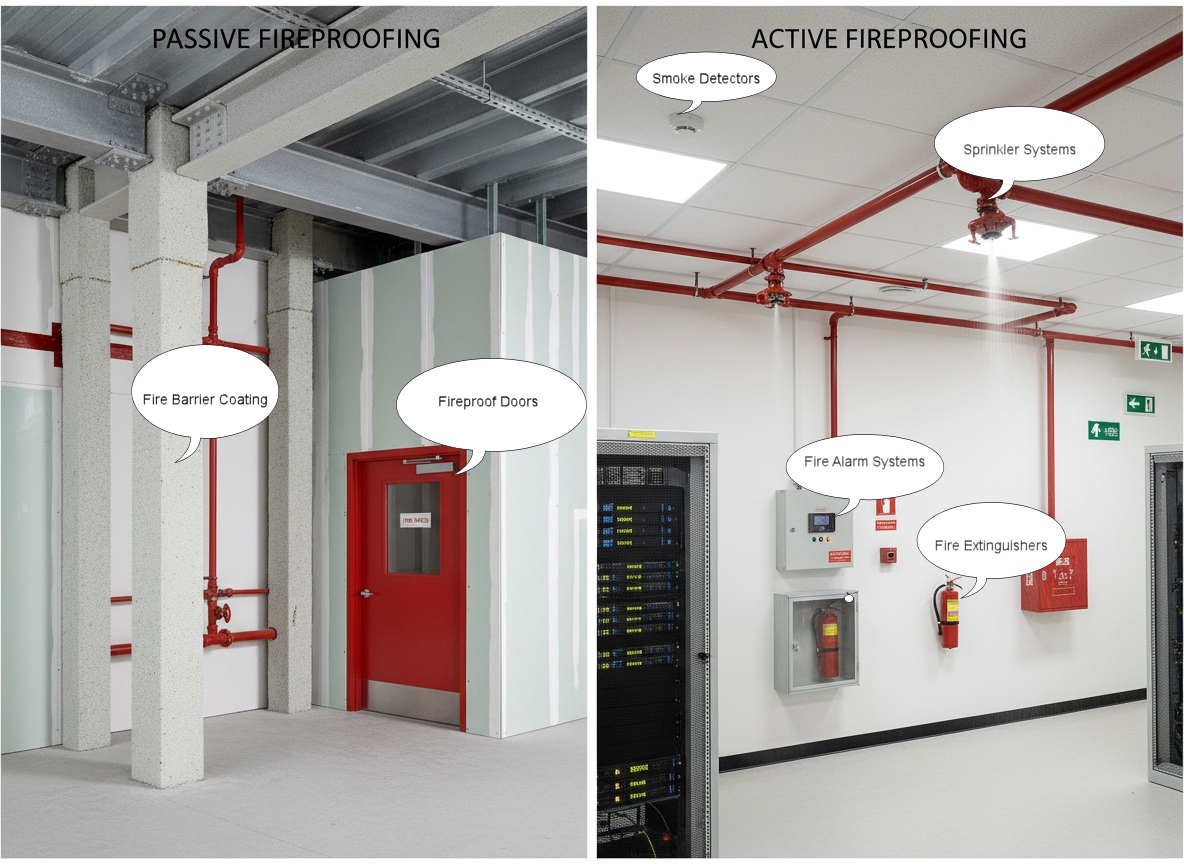
Fire retardants are designed to slow down the spread of fire and reduce flame propagation by delaying ignition or forming a protective char layer, thus providing critical time for evacuation. Fireproof, conversely, implies complete imperviousness to fire, which no fire retardant can truly guarantee. Fire retardants work as a crucial component within a comprehensive fire protection system.

How long does fire retardants last on wood and fabric?

The longevity of fire retardants on wood and fabric typically ranges from 1 to 5 years, depending on the product, substrate, and environmental exposure. Indoor applications generally last longer, while exterior treatments face degradation from weathering and UV exposure. For fabrics, treatments may need reapplication after cleaning or washing, with many certifications requiring retesting or retreatment annually, according to National Fireproofing, Inc.

Do I need UL certification for fire retardants in commercial buildings?

Yes, UL or other third-party certification is often required for fire retardants used in commercial buildings, especially for structural components or interior finishes in high-occupancy or high-hazard areas. Certification ensures products meet rigorous safety and performance standards, offering liability protection and facilitating compliance with building codes and inspections.

What is the best fire retardant for construction projects?

The “best” fire retardant for a construction project depends on several factors, including the substrate type (wood, steel, fabric), required fire rating, environmental conditions (indoor/outdoor), budget, and application method. It is crucial to select a product that is specifically tested and certified for the intended use and to work with suppliers like National Fireproofing Supply Co. who offer UL-certified solutions.

How much does fire retardants cost per square foot?

The cost of fire retardants varies widely, typically ranging from $2–$12 per square foot installed for commercial applications, according to CMM Online. Factors affecting the total cost include the type of product (intumescent vs. non-intumescent), required coverage rates, substrate porosity, labor, equipment, and reapplication frequency. Material-only costs for some fabric sprays can be as low as $0.12 per square foot.

Can fire retardants be applied over existing paint or finishes?

Applying a fire retardant over existing paint or finishes requires careful consideration of compatibility and adhesion. Surface preparation is critical, and in many cases, existing finishes may need to be removed to ensure proper bonding and effectiveness of the fire retardant. Manufacturers’ guidelines should always be consulted, and compatibility testing on a small area is recommended to prevent compromising the fire retardant’s performance or aesthetic outcome.