
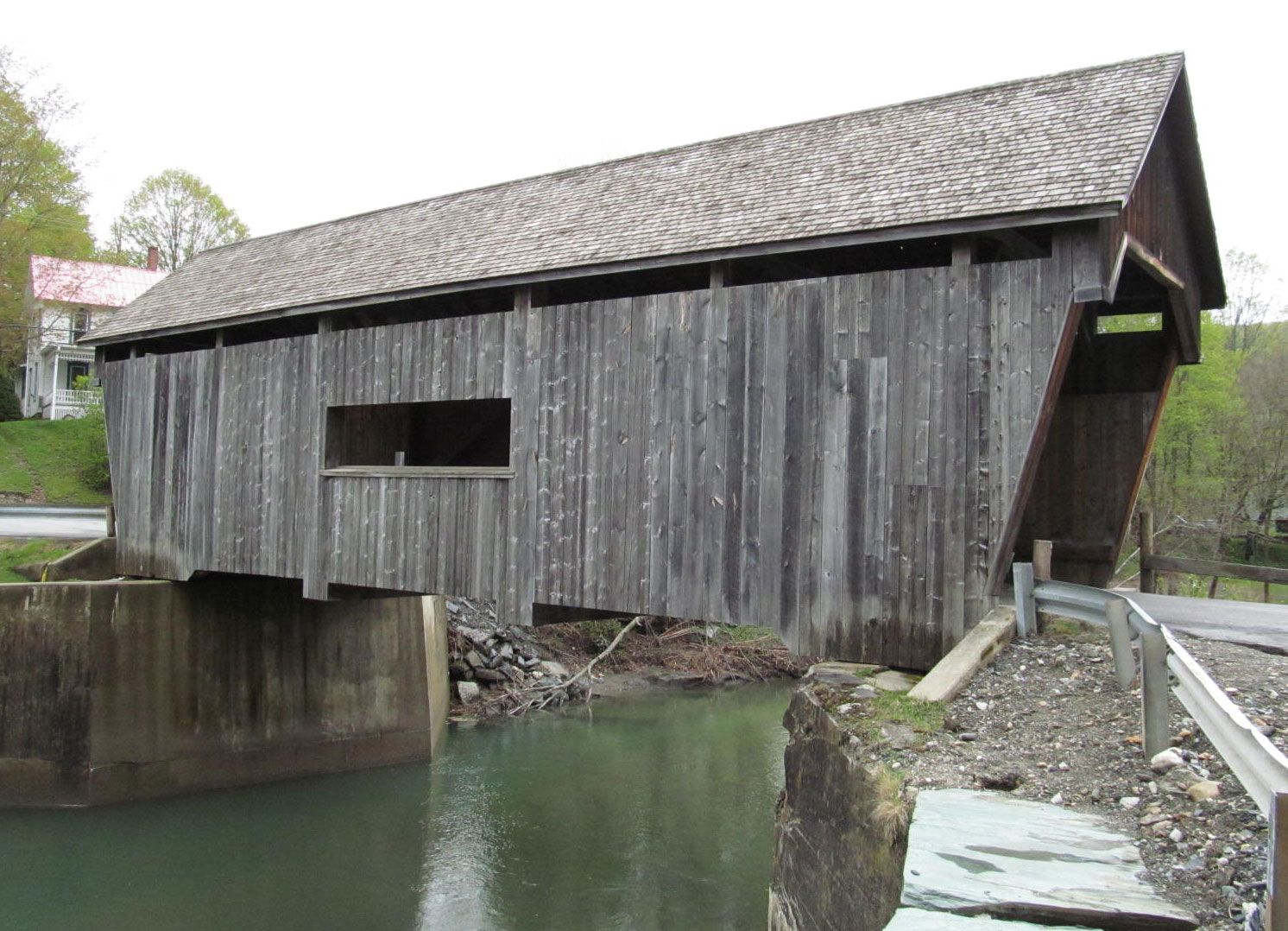
Historic wooden bridges provide priceless links to the past, but preserving them is a challenge, especially concerning fire safety. Antiquated pressure treatment methods of fireproofing wooden bridges are often at odds with the rigid demands set by heritage structures, thus requiring new methods that compromise neither safety, nor the heritage of the structure. Traditional wooden bridges are often at odds with modern fire safety regulations, thus requiring new methods that compromise the heritage of the structure.
When fireproofing a historic wooden bridge, modern alternatives for fireproofing that do not compromise the structural integrity of the bridge are the best options.
Why Pressure Treatment Falls Short for Historic Bridges
Pressure treatment, while effective for modern construction, is generally unsuitable for historic wooden bridges. This method involves impregnating wood with chemicals under pressure to enhance fire resistance and deter decay. However, for aged timber, this process can compromise structural integrity and violate preservation guidelines.
- Chemical pressure treatment can weaken the already vulnerable fibers of aged timber.
- The Secretary of the Interior’s Standards for the Treatment of Historic Properties, which guide preservation efforts, generally restrict invasive treatments that alter the original material (NPS).
- Deep wood penetration from pressure treatment can change the visual and material authenticity of historic wood, conflicting with conservation ethics (Montana Timber Products).
- Pressure-treated wood can also retain moisture, potentially accelerating rot in already susceptible historic wood components (Montana Timber Products).
Intumescent Coating Systems for Wooden Bridge Structures
Intumescent coating systems offer a non-invasive and highly effective fireproofing solution for historic wooden bridges. These specialized paints expand significantly when exposed to heat, forming a protective char layer that insulates the wood from fire.
- Intumescent paints expand 15-30 times their original thickness under fire exposure, creating a thermal barrier (UL Solutions).
- Modern formulations allow for application techniques that preserve the natural wood grain and historic appearance, often available in clear or colored finishes (NPS).
- National Fireproofing Supply Co. provides UL-certified intumescent products specifically rated for exterior wood applications, ensuring compliance with rigorous safety standards. The global intumescent coatings market was valued at $912.1 million in 2024 and is projected to reach $1,389.2 million by 2033, with cellulosic substrates (including wood) holding a significant share (Grand View Research).
- Long-term maintenance requirements for intumescent coatings on wood involve regular inspection for weather degradation and mechanical stress, as these factors can compromise their effectiveness over time (Market.us).
Surface Treatments and Topical Solutions
Beyond intumescent coatings, other fireproofing surface treatments provide effective passive fire protection for historic wood without altering its inherent structure. These non-penetrating solutions are designed to meet fire codes while respecting heritage conservation principles.
- Non-penetrating FR coatings are designed for historic preservation, often used as an alternative to pressure-impregnated wood (Data Insights Market).
- Silicate-based and mineral treatments are examples that do not alter the wood’s structural integrity or appearance, making them suitable for sensitive applications.
- These treatments can be compatible with existing finishes and weatherproofing systems, simplifying integration into ongoing preservation efforts.
- Application methods are chosen to meet both fire codes and secure approval from preservation officers, ensuring minimal visual impact.
Barrier Systems and Protective Enclosures
For critical structural components of historic wooden bridges, barrier systems and protective enclosures offer robust fire protection. These systems are designed to contain fire spread without permanently altering the historic fabric.
- Fire-resistant barrier fabrics, such as aluminized glass fabric, and wrapping systems can protect critical bridge components from radiant heat and flying embers (PreventionWeb).
- Mineral wool insulation, known for its non-combustible properties and high-temperature resistance, can be applied to load-bearing members (Marketsandata.com).
- Compartmentalization strategies help contain fire spread, often using materials that can be integrated discreetly into the existing bridge design.
- These systems are integrated with careful consideration of the bridge’s existing design and aesthetic requirements to minimize visual impact.
Compliance, Testing, and Documentation Requirements
Ensuring fireproofing measures for historic wooden bridges meet regulatory standards is paramount. This involves navigating UL certification, State Historic Preservation Office (SHPO) approvals, and local fire codes.
- UL Certification: For alternative fireproofing methods, UL certification is crucial. Products like intumescent paints as a fireproofing solution must undergo rigorous testing to ensure they perform as expected under fire conditions. UL Solutions notes that intumescent coatings must endure simulated exterior conditions like UV light, salt spray, rain, and freezing for outdoor certification (UL Solutions).
- SHPO Approval: Any work on historic bridges, especially those listed on the National Register, requires approval from the State Historic Preservation Office. SHPOs prioritize non-intrusive treatments that preserve historic integrity (NPS). Pennsylvania’s PHMC offers grants for fire protection systems that meet the Secretary of the Interior’s Standards (Pennsylvania Historical and Museum Commission).
- Fire Marshal Inspections and Code Compliance: Projects must satisfy local fire marshals and adhere to building codes, often employing performance-based methods for non-standard applications (QRFS).
- Documentation Protocols: Comprehensive documentation of materials, application processes, and testing results is essential for preservation records and future maintenance.
Key Takeaways
- Traditional pressure treatment often damages historic wood and violates preservation guidelines.
- Intumescent coatings and flameproofing surface treatments offer non-invasive, effective fire protection.
- Barrier systems like mineral wool can protect critical concealed structural components.
- Hybrid approaches combine methods for optimized protection based on specific bridge needs.
- UL certification and SHPO approval are essential for ensuring compliance and preserving historic integrity.
- National Fireproofing Supply Co. provides a range of Lab-certified fireproofing solutions for heritage projects.
Conclusion: Preserving History While Ensuring Safety
Protecting our historic wooden bridges from fire requires a thoughtful, multi-faceted approach that extends beyond conventional pressure treatment. By embracing alternative fireproofing methods such as intumescent coatings, flameproofing surface treatments, and barrier systems, preservationists and engineers can achieve code compliance without sacrificing the inherent value and integrity of these irreplaceable structures.
The proper selection and application of these materials demand specialized expertise to ensure both fire safety and adherence to historic preservation standards. National Fireproofing Supply Co. stands as a trusted partner, offering UL-certified solutions tailored for the unique demands of heritage projects.
Ultimately, the long-term success of fireproofing historic wooden bridges hinges on careful planning, material selection, rigorous testing, and consistent inspection and maintenance protocols. This commitment ensures that these vital links to our past remain safe and endure for future generations.
Frequently Asked Questions
What fireproofing methods are safe for historic wooden bridges?
Fireproofing methods safe for historic wooden bridges include intumescent coatings, flameproofing surface treatments, and barrier systems like mineral wool wraps. These options are chosen because they do not damage historic wood fibers or violate preservation standards, offering non-invasive protection.
Why can’t you use pressure treatment on historic bridges?
Pressure treatment is unsuitable for historic bridges because it can compromise the structural integrity of aged wood, violate the Secretary of the Interior’s Standards, cause moisture retention issues, and alter the historic material’s authenticity and appearance (Montana Timber Products).
How do intumescent coatings protect wooden bridges from fire?
Intumescent coatings protect wooden bridges by expanding significantly when exposed to heat, forming a thick, insulating char layer that shields the wood from flames and high temperatures. These coatings can preserve the wood’s appearance while providing UL-rated intumescent paint fire protection (UL Solutions).
What is the best fireproofing method for a National Register bridge?
The best fireproofing method for a National Register bridge involves a comprehensive evaluation considering preservation officer requirements, fire code compliance, and reversibility. Often, a hybrid approach combining intumescent coatings on visible elements with concealed barrier systems for structural components is recommended to balance all factors.
How often do FR coatings on wooden bridges need reapplication?
The reapplication frequency for flameproof coatings by National Fireproofing Supply on wooden bridges varies, typically ranging from 3 to 5 years for exterior bridge side applications and 10 plus years for interior bridge side applications, depending on the specific product, weather exposure, and bridge traffic. Regular inspections are crucial to assess durability and determine recoating intervals (Market.us).
Do alternative fireproofing methods meet UL certification requirements?
Yes, alternative fireproofing methods such as intumescent coatings, mineral barriers, and approved surface treatments can achieve UL certification. It is critical to use only UL-certified products and systems that have undergone rigorous testing to ensure compliance with fire safety standards.
Hybrid Approaches: Combining Methods for Maximum Protection
Optimizing fire protection for historic wooden bridges often involves a hybrid approach, layering different methods to achieve maximum safety without sacrificing historical authenticity. This strategy allows for targeted protection based on specific risk assessments.
Layering surface treatments with barrier systems provides enhanced fire resistance. For example, intumescent coatings can be applied to visible surfaces, while concealed load-bearing elements might benefit from mineral wool or ceramic fiber wraps.
Strategic application zones are determined by fire risk assessment and exposure. High-traffic areas or components most vulnerable to ignition can receive more intensive treatments. This allows for balancing visible historic elements with concealed protective measures. For instance, Bucks County, Pennsylvania, has treated 10 covered wooden bridges with flameproofing sealers during repainting projects (CertaPro Painters).
National Fireproofing Supply Co. supports these complex projects by offering a range of lab-certified products, including wood stain FR additives and exterior wood fireproofing sprays, that can be combined for comprehensive protection. These products aid in integrating fire safety into historic preservation plans, ensuring long-term structural integrity and compliance. The overall wood fireproofing coatings market was valued at $183 million in 2025 (Data Insights Market).
The following table compares various fireproofing methods suitable for historic wooden bridges:
| Method | Preservation Impact | Fire Protection Rating | Maintenance Frequency | Best Application | Approximate Cost Range |
|---|---|---|---|---|---|
| Intumescent Coating Systems | Low (maintains appearance, reversible) | Up to 3 hours (UL 263, ASTM E119) | 5-10 years, depending on exposure | Visible structural elements, decking | Moderate to High |
| FR Surface Treatments | Low (clear, deep-penetrating) | Class A (Flame spread < 25) | 3-5 years (exterior), reapply if damaged | Non-load-bearing elements, aesthetic surfaces | Low to Moderate |
| Mineral Wool Barrier Systems | Moderate (concealed, non-invasive) | Up to 4 hours (passive protection) | 10-20 years (if protected from moisture) | Concealed load-bearing members, internal cavities | Moderate |
| Ceramic Fiber Wrapping | Moderate (concealed, non-invasive) | Up to 4 hours (passive protection) | 10-20 years (if protected from moisture) | Critical structural connections, high-risk zones | Moderate to High |
| Hybrid Multi-Layer Approach | Varies (optimized for specific areas) | Enhanced, often exceeding single-method ratings | Customized based on component and exposure | Comprehensive protection for entire bridge | High |
To meet Class ‘A’ fire rating requirements, we recommend our Borate/APP based Flamex PF-2 For Exterior Wood